
What I Eat in a Day Postpartum: A Realistic Meal Plan for Energy & Weight Loss
A realistic what I eat in a day postpartum meal plan focuses on nutrient-dense, high-protein foods that support recovery, maintain stable energy levels, and aid gradual weight loss without compromising breast milk supply. It prioritizes balanced whole foods like eggs, salmon, leafy greens, complex carbohydrates, and hydrating snacks spread throughout the day.
The Reality of Postpartum Nutrition and Weight Loss
Recovering from childbirth while caring for a newborn requires a deliberate approach to food. The body has undergone immense physical stress, making rapid calorie restriction counterproductive. Crash dieting can deplete energy, delay tissue repair, and negatively impact mood and milk production.
According to health guidelines, postpartum recovery demands adequate macronutrients—protein for muscle repair, complex carbohydrates for sustained stamina, and healthy fats for hormone balance. When weight loss is a goal, the focus should shift toward food quality rather than drastic restriction. Choosing nutrient-dense, high-volume meals allows new mothers to stay satisfied while maintaining a modest calorie surplus or gentle deficit, depending on whether they are nursing.
Essential Nutritional Priorities for New Mothers
To fuel recovery and manage weight safely, several key nutritional pillars form the foundation of a daily meal routine.
1. High Protein for Tissue Repair & Satiety
Protein is essential for cellular repair, blood volume restoration, and maintaining lean muscle mass. Incorporating lean meats, poultry, wild-caught fish, eggs, dairy, and legumes into every meal keeps hunger hormones balanced and prevents energy crashes.
2. Complex Carbohydrates for Sustained Energy
Refined sugars cause rapid spikes and crashes in blood glucose, leading to increased fatigue. Replacing refined grains with complex carbohydrates—such as oats, sweet potatoes, quinoa, and potatoes—provides a steady release of glucose into the bloodstream, sustaining energy throughout long days and nights.
3. Micronutrient Density: Iron, Calcium, and Choline
Postpartum bodies require replenishment of vital minerals lost during delivery. Iron-rich foods like dark leafy greens and lean proteins combat fatigue, while calcium supports bone density. Choline, found abundantly in egg yolks, aids brain function and infant development during breastfeeding.
A Realistic “What I Eat in a Day” Daily Menu
Here is a practical, step-by-step breakdown of a balanced daily eating routine designed for postpartum health, weight management, and ease of preparation.
Breakfast: High-Protein Savory Egg & Potato Plate
A balanced breakfast prevents mid-morning energy dips and sets a stable baseline for blood sugar.
- Main Components: 2 large eggs scrambled or fried, paired with boiled or air-fried potatoes (150–200g) and a handful of steamed spinach.
- Added Protein: A side of low-fat cottage cheese or Greek yogurt.
- Nutrient Focus: Choline from eggs, complex carbs from potatoes, and fiber from spinach.
Morning Snack: Hydration & Quick Energy
New mothers often need quick, portable fuel between meals.
- Option: A bowl of fresh berries paired with a small handful of almonds or a scoop of protein powder blended with unsweetened almond milk.
- Nutrient Focus: Antioxidants, healthy fats, and hydration.
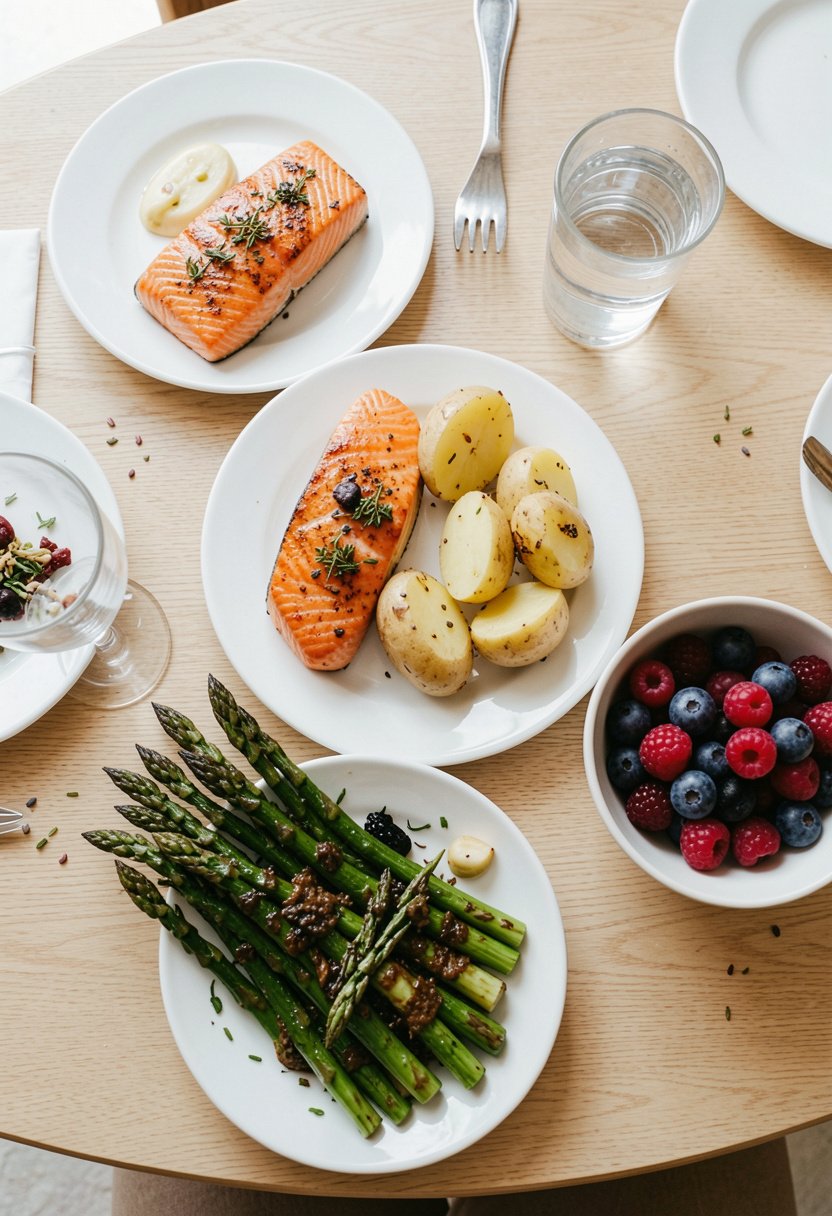
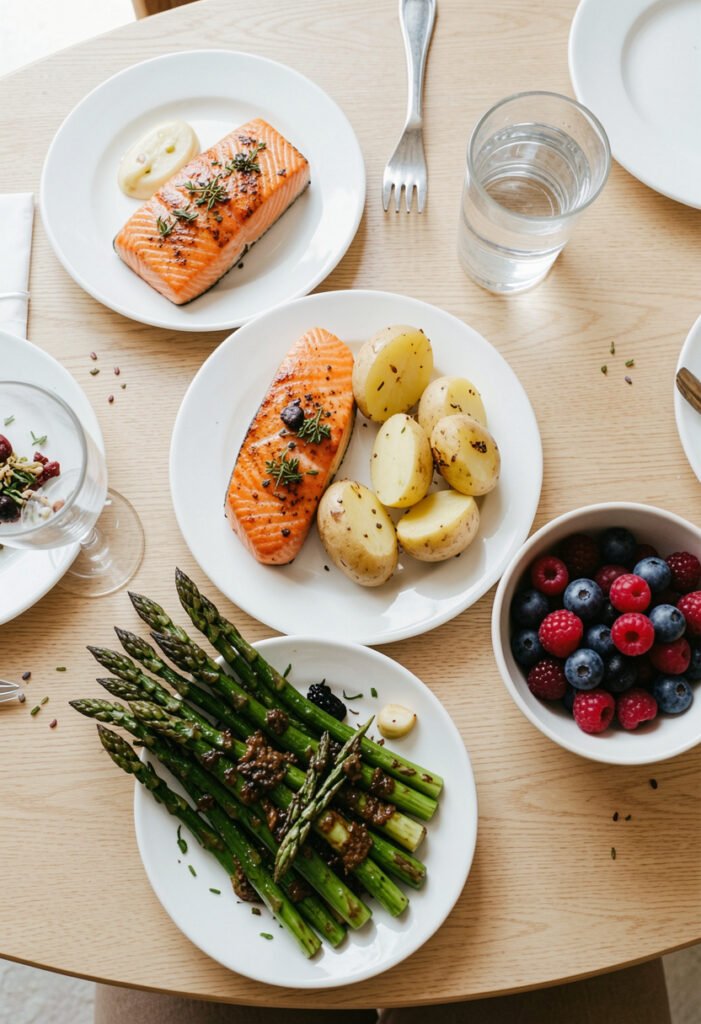
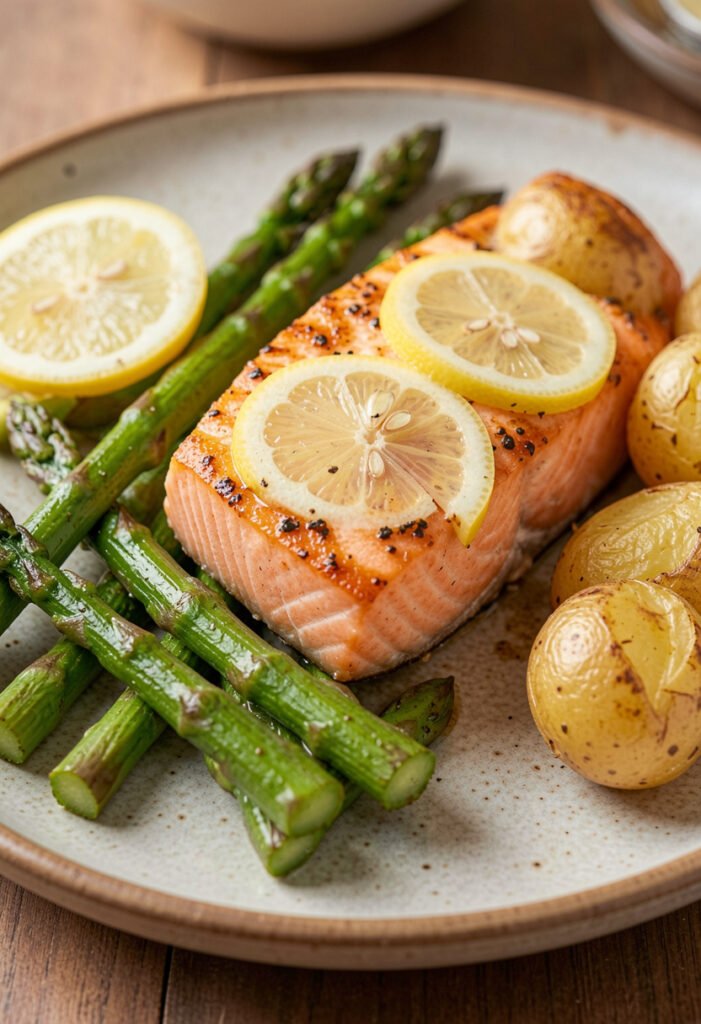
Lunch: Nutrient-Packed Salmon, Asparagus, and Potato Plate
Midday meals should be simple to assemble, relying on prep-friendly components.
- Main Components: Baked or pan-seared salmon fillet (120–150g) seasoned with herbs and lemon juice, served alongside roasted asparagus and steamed new potatoes.
- Nutrient Focus: Omega-3 fatty acids from salmon reduce inflammation and support cardiovascular health, while asparagus provides folate and fiber.
Afternoon Snack: Balanced Fuel for Breastfeeding & Stamina
To avoid late-afternoon fatigue, a snack combining protein and complex carbohydrates is key.
- Option: Rice cakes topped with mashed avocado and sliced turkey breast, or sliced apples with peanut butter.
- Nutrient Focus: Healthy monounsaturated fats and lean protein to sustain energy until dinner.
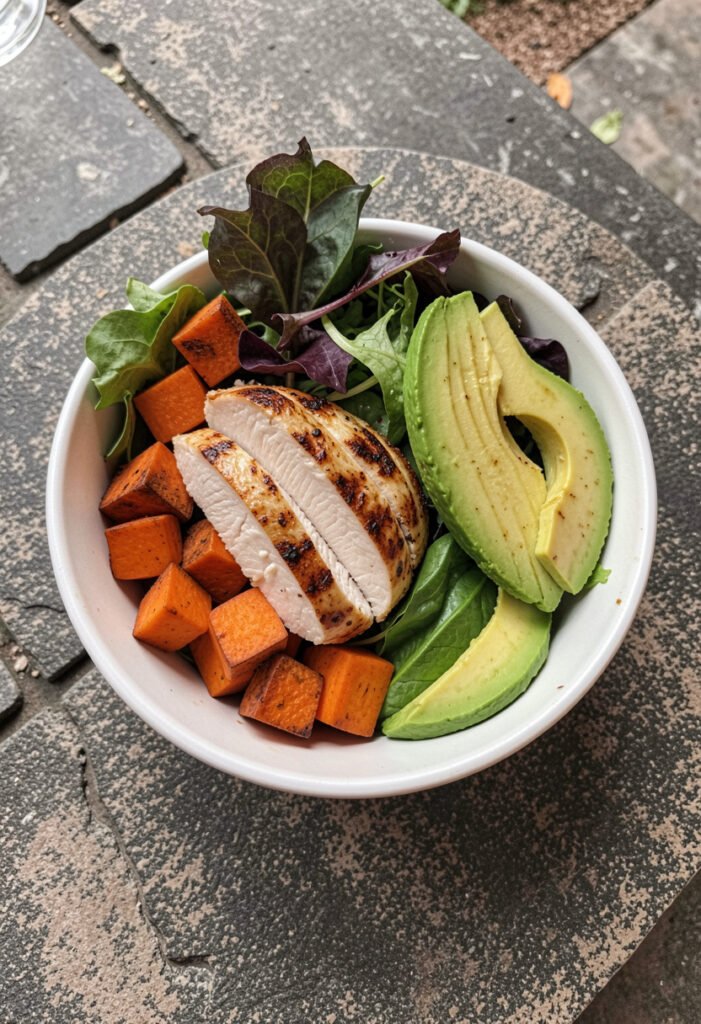
Dinner: Lean Poultry, Greens, and Complex Carbs
Dinner should focus on digestive comfort and muscle recovery overnight.
- Main Components: Grilled or baked chicken breast (150g) served over a bed of mixed green salads, roasted sweet potato wedges, and a light olive oil vinaigrette.
- Nutrient Focus: High-protein content with minimal heavy fats to ensure sound sleep and efficient night-time muscle repair.
Smart Meal Prep Strategies for Busy Mothers
When managing a newborn, cooking elaborate meals from scratch three times a day is rarely feasible. Utilizing efficiency-focused strategies ensures healthy choices remain accessible:
- Batch-Cook Carbohydrates: Boil a large pot of potatoes or quinoa at the start of the week to quickly add to lunches and dinners.
- Utilize Frozen Vegetables: Frozen spinach, asparagus, and green beans preserve nutritional value and eliminate chopping time.
- Pre-Portion Protein: Bake multiple salmon fillets or chicken breasts simultaneously so protein sources are ready to grab from the refrigerator.
Key Takeaways
- Prioritize Recovery First: Focus on nutrient density and proper recovery before introducing calorie restrictions.
- Anchor Meals with Protein: Aim for 25–30g of protein per meal to preserve muscle and control appetite.
- Embrace Whole Food Carbohydrates: Potatoes, oats, and vegetables provide the stamina needed for newborn care.
- Keep Assembly Simple: Rely on batch-cooked components and quick pan-searing methods to minimize kitchen time.
Frequently Asked Questions
How many calories should I eat postpartum for weight loss?
Caloric needs vary based on activity level, body composition, and lactation status. Nursing mothers typically require an additional 300–500 calories daily. A moderate, non-restrictive approach focusing on nutrient quality yields sustainable results without harming milk supply.
Is it safe to lose weight while breastfeeding?
Gradual weight loss of 1 to 2 pounds per week is generally considered safe and does not impact milk supply, provided the mother consumes adequate calories, stays hydrated, and avoids extreme diets.
What are the best foods for postpartum energy?
Foods rich in iron, B vitamins, and complex carbohydrates—such as lean beef, eggs, oats, spinach, salmon, and sweet potatoes—are effective for fighting postpartum fatigue.
How can I meal prep with a newborn?
Focus on single-pan sheet meals, slow-cooker recipes, and pre-cooked ingredients like batch-boiled potatoes, pre-washed greens, and frozen vegetables that require minimal assembly time.