
How to Bake Soft High Protein Cheesecake Buns in 15 Minutes
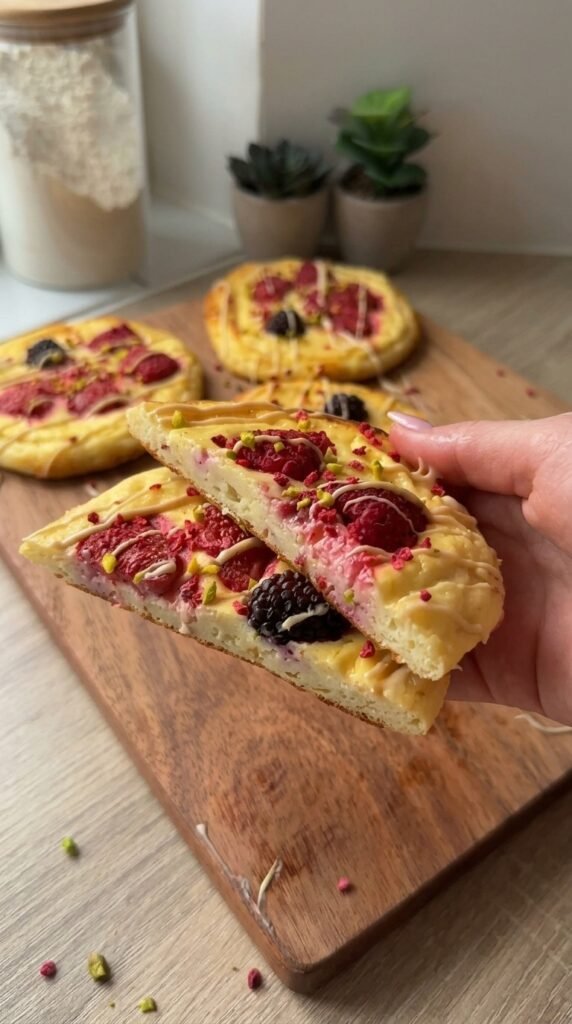
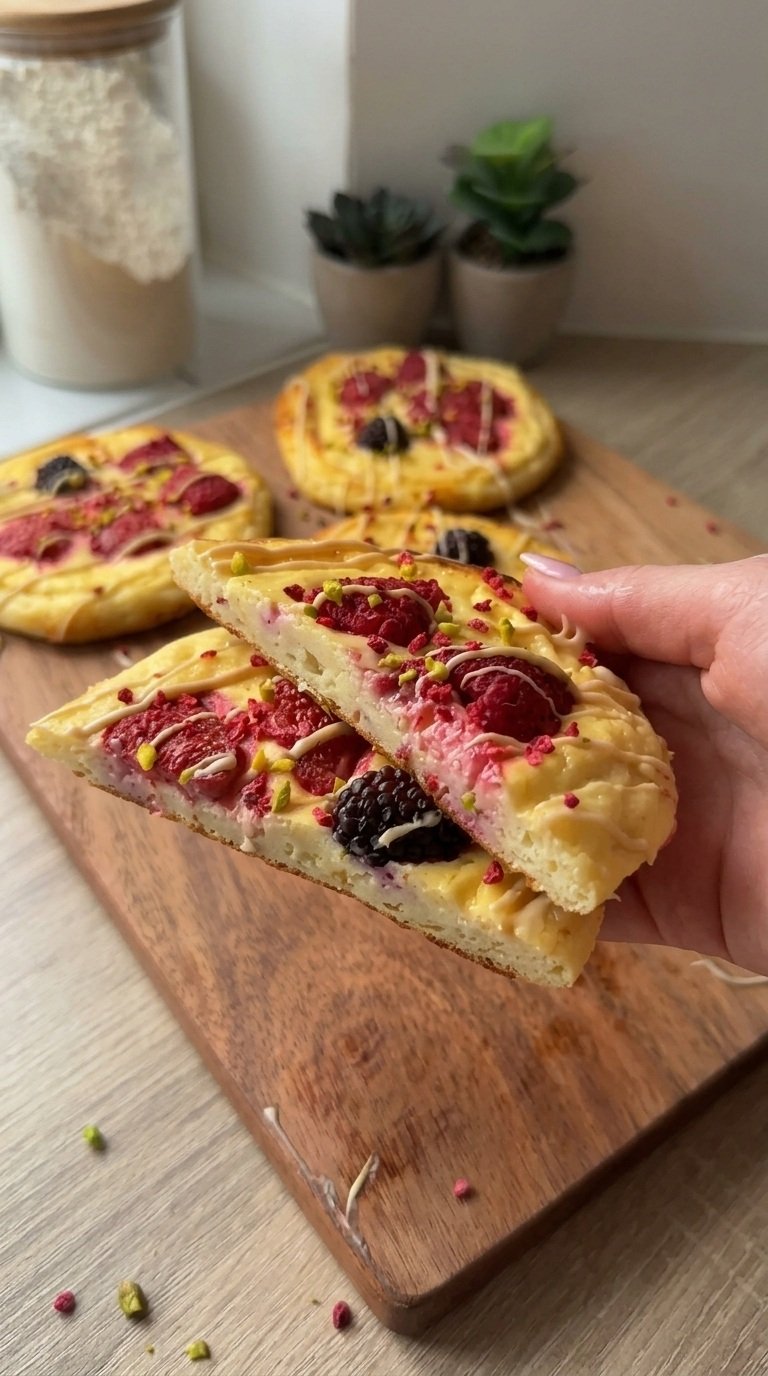
These high protein cheesecake buns pack 14g of protein and just 130 calories per serving, giving you a creamy, berry-topped pastry without the heavy sugar crash of traditional bakery rolls. Built on a protein-rich dough and finished with a light cheesecake center, each bun bakes in 15 minutes at 180°C (350°F).
What Are High-Protein Cheesecake Buns?
High-protein cheesecake buns are single-serve baked pastries made from a protein-enriched dough—typically combining low-fat quark or strained yogurt with spelt and almond flours—filled with a creamy, lightly sweetened cheesecake topping and fresh berries, then baked until golden and set.
Why These Macro-Friendly Buns Stand Out
Traditional cream cheese danishes and sweet rolls are delicious, yet they often load up on refined flour, excess butter, and added sugar. By shifting the base toward strained dairy or quark alongside a blend of spelt flour and almond flour, you get structure, moisture, and a noticeable protein boost in every bite.
Nutrition guidance from the U.S. Department of Agriculture (USDA) highlights pairing nutrient-dense dairy and whole or alternative grains with fruit to build balanced, satisfying snacks. Using an erythritol-stevia sweetener blend keeps sweetness forward while lowering added sugars, and a hint of citrus zest or vanilla lifts the flavor without heaviness.
Ingredient Breakdown & Kitchen Substitutions
This recipe yields 5 buns. Approximate macros per bun are 130 kcal, 14g protein, 12g carbs, and 2g fat (or 650 kcal, 70g protein, 60g carbs, and 10g fat across all 5 buns, depending on exact ingredient brands).
For the Dough (Makes 5 Buns)
- Low-Fat Quark (Magerquark): 200g (about 3/4 cup to 7 oz; if unavailable locally, substitute thick strained Greek yogurt or smooth fat-free skyr).
- Egg: 1 whole medium egg (approx. 50g) for binding and lift.
- Spelt Flour (Dinkelmehl): 40g (about 1/3 cup) for gentle structure and nutty flavor.
- Almond Flour (Mandelmehl): 30g (about 1/4 cup) for tenderness and subtle richness.
- Sweetener: 40g erythritol-stevia blend (or your preferred granular sugar-free baking blend, adjusted to taste).
- Flavoring: A few drops of butter-vanilla extract or vanilla flavoring.
For the Cheesecake Topping
- Low-Fat Quark: 150g (about 1/2 cup plus 2 tbsp; thick Greek yogurt or blended cottage cheese can work as an alternative).
- Sweetener: 30g erythritol-stevia blend.
- Vanilla Pudding Powder: 10g (about 1 tablespoon dry instant or cook-type vanilla pudding mix) to help thicken and stabilize the topping.
- Citrus Zest or Extract: About 6g orange zest (or a few drops of orange extract) for bright aroma.
- Mixed Berries: 90g fresh or thawed-and-drained mixed berries (such as blueberries, raspberries, or chopped strawberries).
Step-by-Step Cooking Instructions
- Prep the Oven and PanPreheat your oven to 180°C (350°F) and line a baking sheet with parchment paper. Having the parchment ready prevents sticking and makes cleanup fast.
- Mix the Dough and Shape WellsIn a bowl, stir together the 200g quark, 50g egg, 40g spelt flour, 30g almond flour, 40g sweetener blend, and butter-vanilla flavoring until a cohesive dough forms. Divide the dough into 5 equal portions on the parchment-lined baking sheet. Shape each portion into a small round bun with a slightly deeper indentation (well) in the center than around the outer rim.
- Whisk the Cheesecake ToppingIn a separate small bowl, whisk together the 150g quark, 30g sweetener blend, 10g vanilla pudding powder, and orange zest or flavoring until smooth and creamy.
- Fill, Top with Berries, and BakeSpoon the cheesecake mixture into the center well of each bun. Press the 90g of mixed berries gently onto the top of the filling. Bake at 180°C (350°F) for about 15 minutes until the edges are lightly golden and the topping looks set. Let cool slightly before serving so the filling firms up nicely.
Grocery and Meal Delivery Convenience
When your week gets hectic and you want to keep high-protein snacks on hand, ordering staple ingredients like Greek yogurt, quark, eggs, almond flour, and fresh berries through a grocery delivery service saves an extra trip to the store. Stocking up on versatile pantry basics makes whipping up a batch of five buns quick whenever a sweet craving hits.
On days when you have zero time to preheat the oven or measure ingredients, ordering a high-protein snack box, yogurt bowl, or fruit-topped pastry through a local delivery service can bridge the gap without derailing your routine. Pairing ready-to-eat options with simple home bakes helps you stay consistent even on busy schedules.
Key Takeaways
- High Protein per Bun: Each bun delivers around 14g of protein at roughly 130 calories.
- Carve a Center Well: Shaping the dough slightly deeper in the middle holds the creamy topping neatly in place during baking.
- Short Bake Time: About 15 minutes at 180°C (350°F) is all it takes to set the filling and warm the berries.
- Easy Dairy Swaps: If quark is hard to find, thick strained Greek yogurt or skyr offers a similar creamy texture.
Practical Tips for Better Results
- Watch Moisture in Berries: If using frozen berries, thaw and pat them dry first so excess liquid does not make the center overly watery.
- Adjust Sweetness Gently: Sugar-free sweeteners vary in intensity; taste the cheesecake mixture before spooning it on so it matches your preference.
- Let Them Set Briefly: Give the buns a few minutes out of the oven before lifting them off the parchment so the topping holds its shape.
Frequently Asked Questions
What can I use instead of quark in high-protein cheesecake buns?
Thick strained Greek yogurt or skyr works well as a substitute for quark. Choose a thick, lower-moisture option so the shaped dough holds its well during baking.
How many calories and how much protein are in each bun?
Each bun provides approximately 130 calories and 14g of protein, with the full batch of 5 buns coming to about 650 calories and 70g of protein. Exact numbers can vary slightly depending on the specific brands you use.
Can I swap spelt flour or almond flour?
You can experiment with other baking flours or a finely ground oat flour, though dough hydration and texture may shift slightly. Keep a little extra flour nearby if the dough feels too sticky to shape.
How should I store leftover cheesecake buns?
Store cooled buns in an airtight container in the refrigerator for a few days, and warm them briefly in the oven or air fryer if you prefer them slightly warm.