
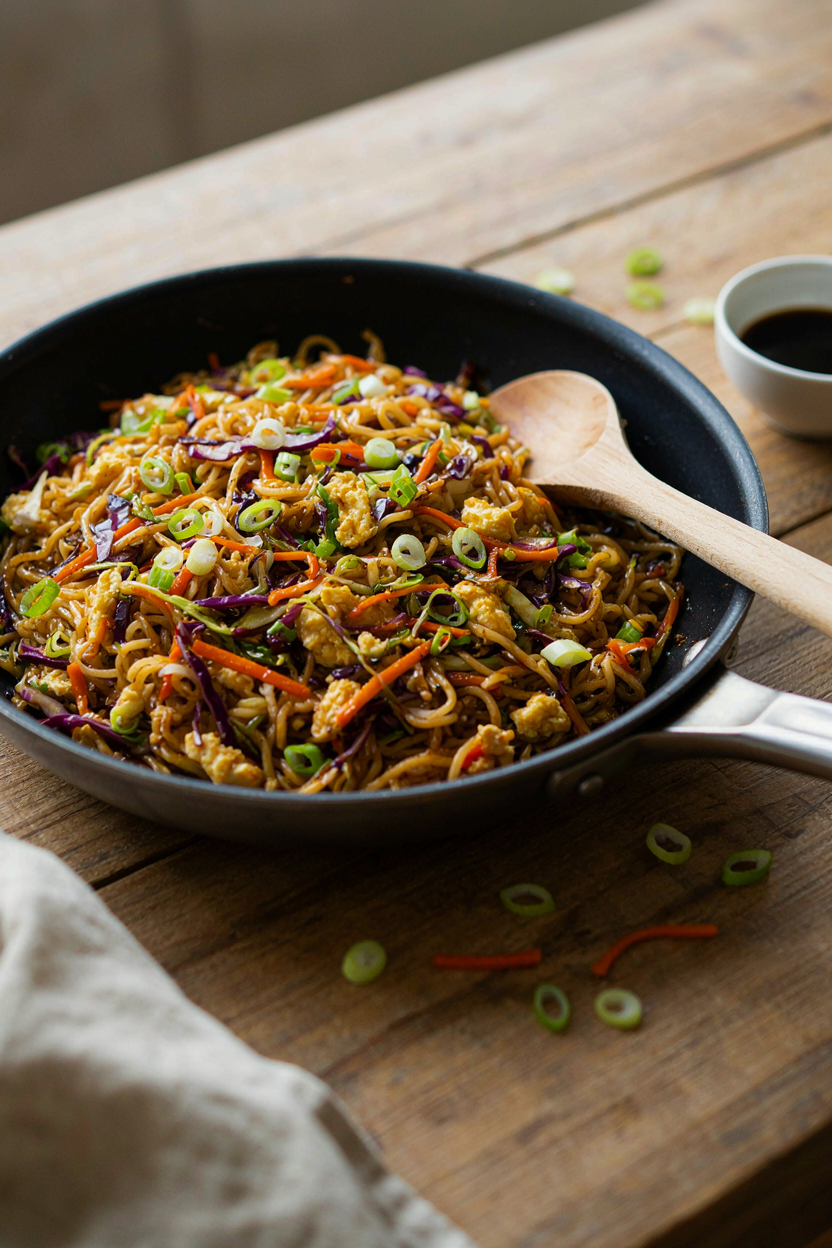
How to Make Restaurant-Style Fried Noodles in a Standard Skillet
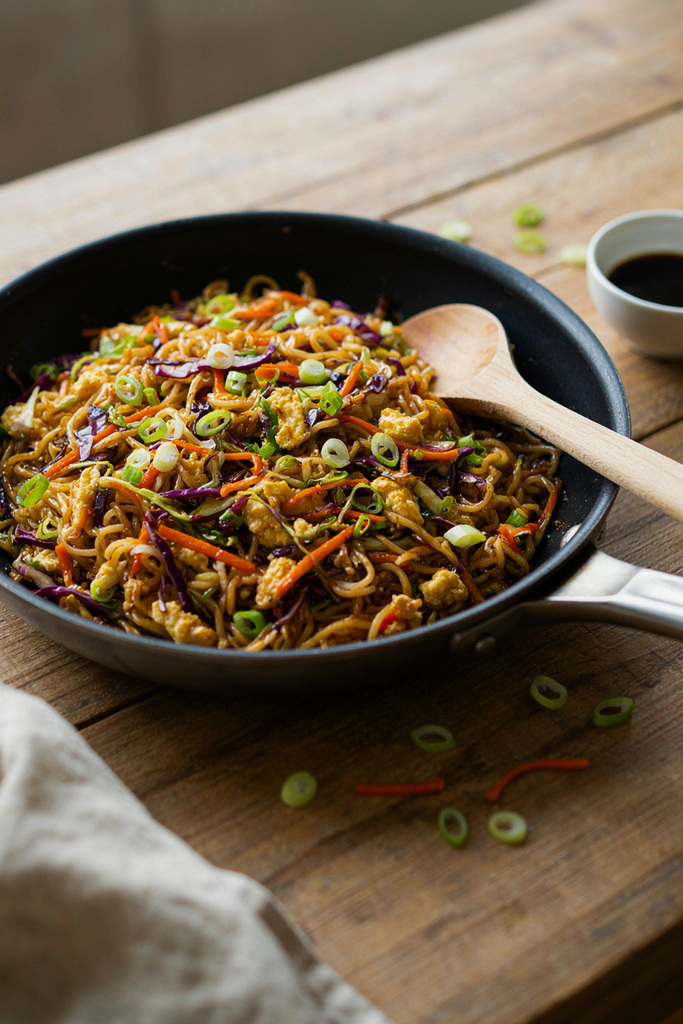
Making fried noodles without a wok requires a wide, non-stick skillet or heavy cast-iron pan cooked over high heat. By searing quick-cooking instant noodles with shredded cabbage, carrots, green onions, mung bean sprouts, and scrambled eggs in a rich soy seasoning blend, you can achieve authentic stir-fry flavors without specialized kitchen gear.
Recreating Stir-Fry Magic Without Specialized Pans
Stir-fried noodles are legendary for their smoky flavor, snappy vegetables, and satisfying texture. Many home cooks assume achieving this balance requires a high-BTU gas burner and a heavy carbon steel wok. However, you can create equally delicious skillet noodles using standard kitchen cookware.
The secret lies in controlling surface area and moisture levels. A wide flat-bottomed skillet allows noodles and crisp vegetables to make direct contact with the hot surface, creating delicious caramelized edges. By flash-frying ingredients in batches, you prevent steaming and ensure every bite stays tender-crisp rather than soggy.
Complete Ingredient Selection and Flavor Profile
The Core Stir-Fry Components
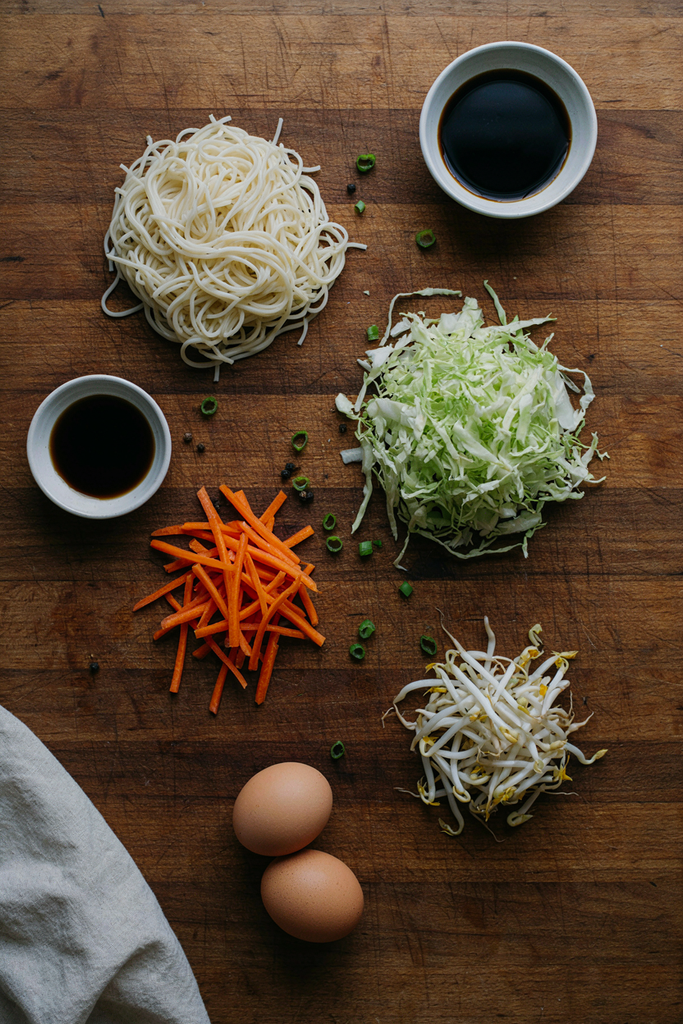
- Quick-Cooking Noodles: 3 blocks of instant wheat or egg noodles, briefly parboiled and drained.
- Fresh Cabbage: 1 cup of pointed cabbage or Napa cabbage, finely shredded.
- Carrot: 1 medium carrot, sliced into thin matchsticks.
- Green Onions: 3 stalk scallions, cut into medium rings (white and green parts separated).
- Mung Bean Sprouts: 1 cup of fresh bean sprouts, rinsed and drained thoroughly.
- Eggs: 2 large eggs, lightly beaten.
- Cooking Oil: 2 tablespoons of high-smoke-point oil (peanut, canola, or vegetable oil).
The Savory Soy Seasoning Glaze
- Light Soy Sauce: 2 to 3 tablespoons for savory saltiness.
- Dark Soy Sauce: 1 to 2 tablespoons for deep mahogany color and subtle sweetness.
- Bouillon Powder: 1 teaspoon of chicken or vegetable broth powder for umami depth.
- Sugar: 1 to 2 teaspoons of granulated sugar to balance the salt.
- Sea Salt: A tiny pinch to bring out natural vegetable sweetness.
- Sesame Oil (Optional): 1 teaspoon toasted sesame oil added right at the finish.
- Chili Paste (Optional): 1 teaspoon of chili garlic paste or chili sauce for background heat.
Optional Velvet Marinade for Added Proteins (Chicken, Beef, or Tofu)
- Light Soy Sauce: 1 tablespoon.
- Baking Soda: 1/2 teaspoon (softens meat fibers).
- Cornstarch: 1 tablespoon (locks in moisture).
- Oyster Sauce: 1 tablespoon (or vegetarian stir-fry sauce).
- Black Pepper: 1/4 teaspoon ground black pepper.
Step-by-Step Cooking Instructions
Step 1: Parboil the Noodles and Prep Vegetables
Bring a pot of water to a boil. Drop in 3 blocks of quick-cooking noodles and cook for 1 to 2 minutes less than the package instructions—they should remain firm and slightly undercooked. Drain immediately, rinse with cold water to stop cooking, and toss with a few drops of oil to prevent sticking. Shred the cabbage, chop carrots into matchsticks, and slice the green onions.
Step 2: Marinate Proteins (Optional)
If adding chicken, beef, or tofu, slice the protein into thin bite-sized strips. In a small bowl, combine 1 tablespoon light soy sauce, 1/2 teaspoon baking soda, 1 tablespoon cornstarch, 1 tablespoon oyster sauce, and black pepper. Coat the protein thoroughly and let it rest for 10 minutes before searing.
Step 3: Soft-Scramble the Eggs
Place a large non-stick skillet or cast-iron pan over medium-high heat with 1 teaspoon of oil. Pour in the beaten eggs and gently swirl for 30 to 45 seconds until soft curds form. Remove the soft-scrambled eggs from the skillet immediately and set them aside on a plate.
Step 4: Flash-Fry the Crisp Vegetables
Add another tablespoon of oil to the same hot skillet. Increase heat to high. Add the sliced white parts of the green onions, shredded cabbage, and matchstick carrots. Sauté vigorously for 2 minutes until the vegetables start to soften around the edges while remaining crisp. Toss in the mung bean sprouts during the last 30 seconds of frying.
Step 5: Toss Noodles and Caramelize Seasonings
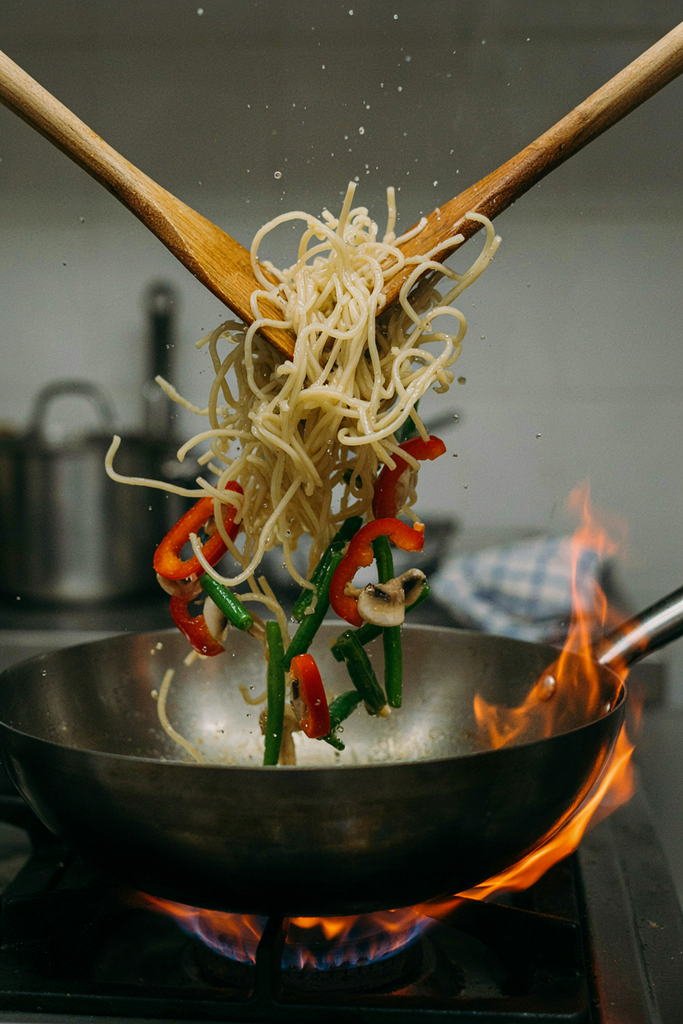
Spread the parboiled noodles evenly over the hot vegetables in the skillet. Pour in the light soy sauce, dark soy sauce, bouillon powder, sugar, and a pinch of salt. Using tongs or two spatulas, toss everything constantly over high heat for 2 to 3 minutes. Allow the dark soy sauce to caramelize against the hot skillet floor, coating every noodle strand in a shiny glaze.
Step 6: Combine and Finish
Return the soft-scrambled eggs to the pan, breaking them up slightly with your spatula. Fold in the green scallion tops. Turn off the heat and stir in 1 teaspoon of toasted sesame oil and 1 teaspoon of chili paste if desired. Serve hot immediately.
Smart Grocery and Delivery Tips for Weeknight Meals
Preparing a fresh stir-fry after a long workday is even easier when taking advantage of modern grocery delivery services. Many grocery apps allow you to order pre-shredded cabbage mixes, matchstick carrots, and washed bean sprouts directly to your door, eliminating nearly all knife prep work.
When time is exceptionally short, local Asian eateries and noodle shops on popular food delivery apps can deliver hot, wok-tossed noodles right to your doorstep. Ordering takeout or getting fresh ingredients delivered provides flexible convenience whether you plan to cook or relax.
Essential Skillet Cooking Tips
- Avoid Overcrowding: If using a smaller pan, cook the vegetables and noodles in two separate batches. Overcrowding drops pan temperature, causing vegetables to steam instead of fry.
- Keep Noodles Firm: Parboiling noodles too long leads to mushy stir-fry. Keep them undercooked initially so they absorb sauce in the skillet without breaking down.
- High Heat is Essential: Keep your stove setting on medium-high to high throughout the cooking process to mimic true wok-hei caramelization.
Key Takeaways
- No Special Equipment: Achieves authentic stir-fry texture using standard kitchen skillets.
- Ultra Fast Meal: Ready in under 15 minutes from prep to plate.
- Customizable Proteins: Works well as a vegetarian dish or paired with velvet-marinated chicken, beef, or tofu.
- Crisp Texture: High-heat batch frying keeps cabbage and sprouts perfectly snappy.
Frequently Asked Questions
Can I use regular ramen noodles for this recipe?
Yes. Instant ramen noodle blocks work exceptionally well for skillet stir-fries. Simply discard the seasoning packet, parboil the noodle block for 1 minute in plain water, drain, and add to the skillet as instructed.
What are the best noodle substitutes if quick-cooking noodles are unavailable?
Udon noodles, lo mein noodles, or thin dried egg noodles make excellent alternatives. Ensure dried wheat noodles are boiled al dente before pan-frying.
How do I prevent my noodles from sticking to a regular pan?
Ensure your skillet is thoroughly heated before adding oil, and use noodles that have been rinsed in cold water and tossed with a few drops of oil after draining.
How long do leftover fried noodles stay fresh?
Store leftover stir-fried noodles in an airtight container in the refrigerator for up to 3 days. Reheat in a hot skillet with a splash of water or oil for 2 minutes to restore texture.