
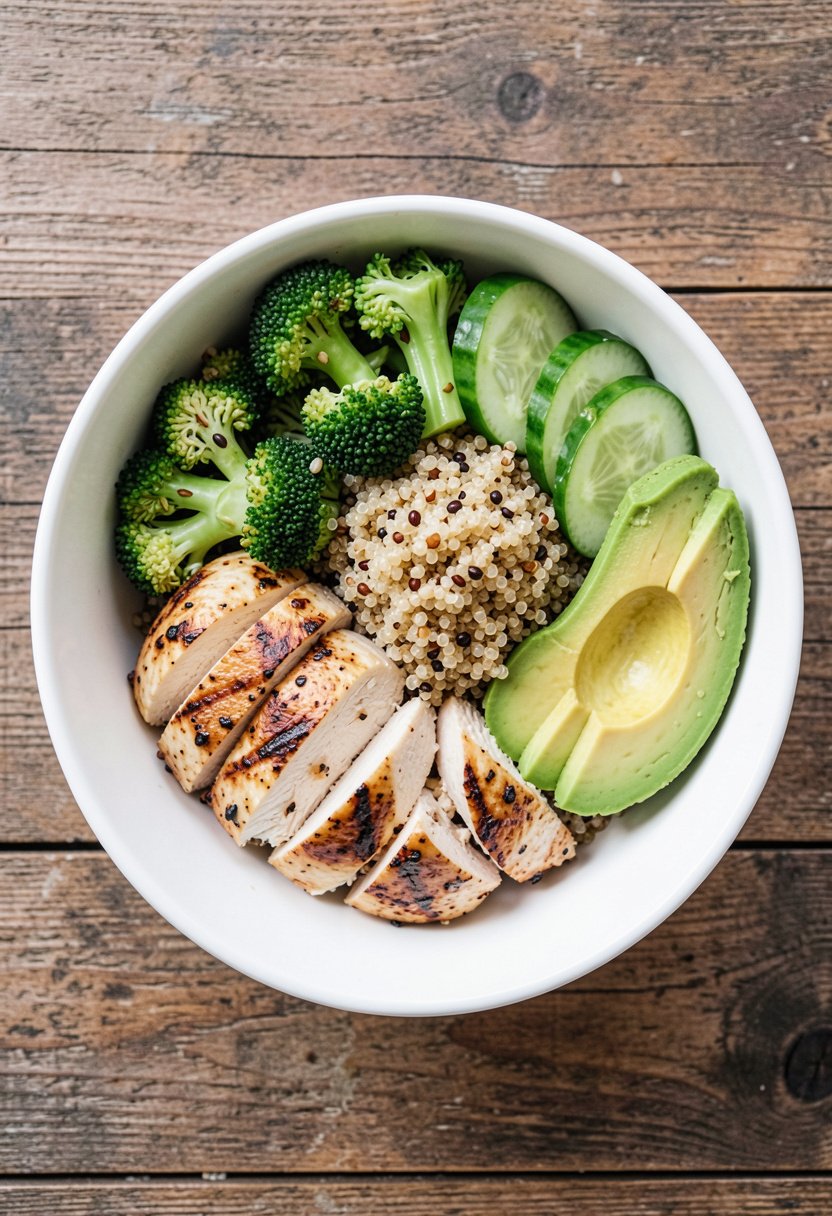
The Challenge of Recovering From Heavy Festive Feasts
After weeks of rich festive spreads, late-night dining, and indulgent fried or dough-heavy foods, it is completely normal to feel sluggish, bloated, or low on energy. Heavy holiday feasts packed with refined carbohydrates, rich meats, and savory sauces taste delicious during the moment, but they place a heavy burden on your digestive system.
Transitioning back to a clean, energizing routine does not require severe juice fasts or extreme calorie restriction. Instead, adopting simple, post holiday healthy meal ideas focused on lean protein, hydrating vegetables, and easy-to-digest whole foods will help restore your natural energy levels while keeping you completely satisfied.
How Should You Eat After Heavy Holiday Feasts?
To recover after heavy holiday feasting, switch to balanced, low-sodium meals rich in lean proteins, steamed vegetables, and leafy greens. Focus on hydrating ingredients, fermented foods like yogurt to support gut health, and light cooking methods like steaming or baking to ease digestive strain.
Why Heavy Evening Dinners Cause Bloating and Fatigue
To fix post-festive fatigue, it helps to understand what happens when you consume heavy evening meals over consecutive days. Fried snacks, dough-based delicacies, and rich sauces require extended time and significant metabolic energy to break down in the stomach.
- Sodium Retention: Festive meals are notoriously rich in salt, causing your body to hold onto water weight, leading to morning puffiness and feeling weighed down.
- Delayed Gastric Emptying: High-fat dishes take hours to digest. Eating them close to bedtime disrupts deep sleep cycles and prevents natural nighttime cellular repair.
- Blood Sugar Fluctuations: Refined doughs and sweet treats trigger rapid spikes in blood glucose followed by dramatic drops, leaving you feeling hungry and exhausted the following morning.
Step-by-Step Guide to Resetting Your Meal Plan
Transitioning back to lighter eating is simple when you structure your plate correctly. Follow these actionable steps to build restorative meals for breakfast, lunch, and dinner.
Step 1: Prioritize Hydration First
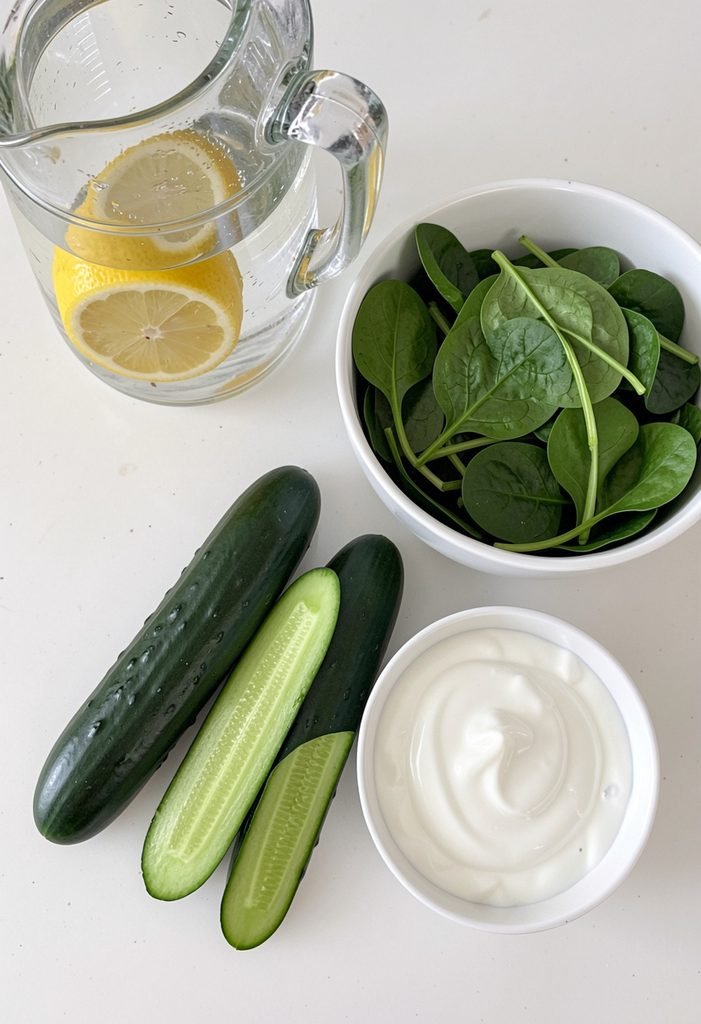
Begin every morning with a large glass of room-temperature water. Adding a squeeze of fresh lemon juice or a slice of ginger helps stimulate bile production and encourages steady bowel movements to flush out lingering excess sodium.
Step 2: Build a Fiber and Protein Foundation
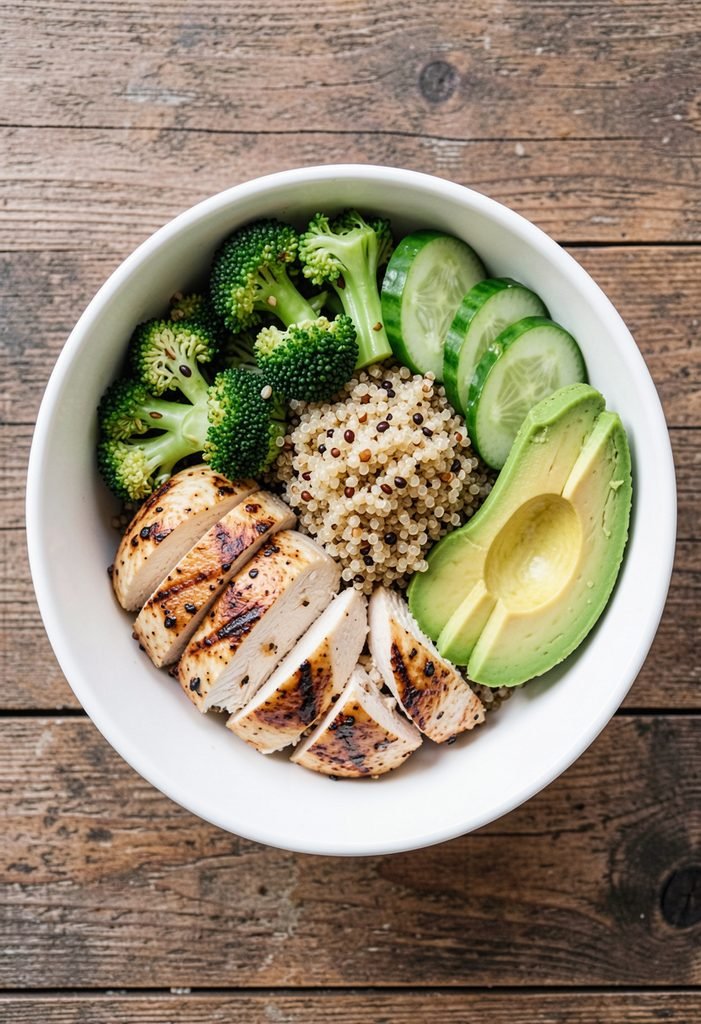
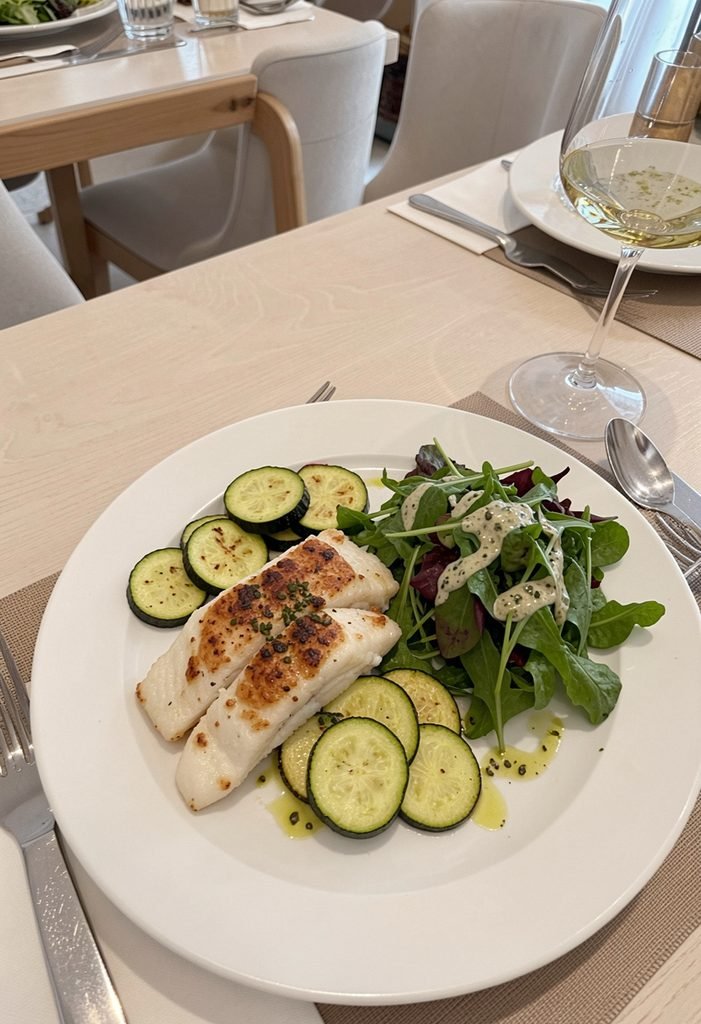
For your main meals, fill half your plate with non-starchy vegetables such as zucchini, spinach, broccoli, or cucumbers. Dedicate one-quarter of your plate to clean, lean protein like grilled poultry, baked white fish, or poached eggs. Use the remaining quarter for complex carbohydrates like quinoa or steamed brown rice.
Step 3: Swap Deep Frying for Steaming or Roasting
Avoid heavy oils and rich butter sauces for at least five days following a holiday period. Prepare your meals using gentle cooking methods like baking, steaming, or air-frying with a light spray of olive oil to keep digestive strain minimal.
Step 4: Incorporate Probiotic Foods
Restore balance to your gut microbiome by including a small serving of plain cultured yogurt, kefir, or unpasteurized sauerkraut with your lunch or evening dinner. These fermented foods provide beneficial live bacteria that reduce abdominal pressure and gas.
Food Delivery & Grocery Convenience Options
When your schedule is packed or you feel exhausted after the holiday rush, spending hours in the kitchen chopping fresh vegetables can feel overwhelming. Modern grocery delivery services offer a convenient solution by delivering pre-washed salad greens, pre-cut vegetables, fresh lean proteins, and natural probiotic yogurts straight to your doorstep within hours.
If you prefer to avoid cooking altogether while getting back on track, many local healthy meal providers and salad kitchens offer nutritious, freshly prepared bowls available for quick food delivery. Ordering clean, vegetable-focused meals directly to your home allows you to stick to your wellness goals effortlessly without needing to cook or wash dishes after a long day.
Key Takeaways
- Avoid Extreme Fasting: Gentle, nutrient-dense meals are far more effective for long-term health than skipping meals or doing liquid cleanses.
- Balance Your Plate: Combine lean protein, non-starchy green vegetables, and smart complex carbs to keep blood sugar stable.
- Focus on Hydration: Drinking plenty of water helps flush out excess sodium held from rich festive dishes.
- Gentle Evening Dinners: Keep your final meal of the day light and eat at least three hours before sleeping to ensure restful recovery.
Frequently Asked Questions
How long does it take to de-bloat after heavy holiday eating?
With proper hydration, reduced sodium intake, and clean whole-food meals, most people notice a significant reduction in bloating within 24 to 48 hours.
Should I skip breakfast after a heavy dinner?
Skipping breakfast is not necessary unless you genuinely feel unhungry. If you feel full, wait until natural hunger strikes, then choose a light meal like plain yogurt with berries or a soft-boiled egg.
What are the best foods to soothe an upset stomach after rich meals?
Steamed carrots, boiled potatoes, ginger tea, plain rice, poached poultry, and plain probiotic yogurt are all exceptionally gentle on an overworked digestive tract.
Can I exercise immediately after a period of heavy feasting?
Yes, engaging in light to moderate physical movement like brisk walking, yoga, or swimming helps stimulate bowel motility, improves blood circulation, and speeds up the removal of excess stored water weight.